
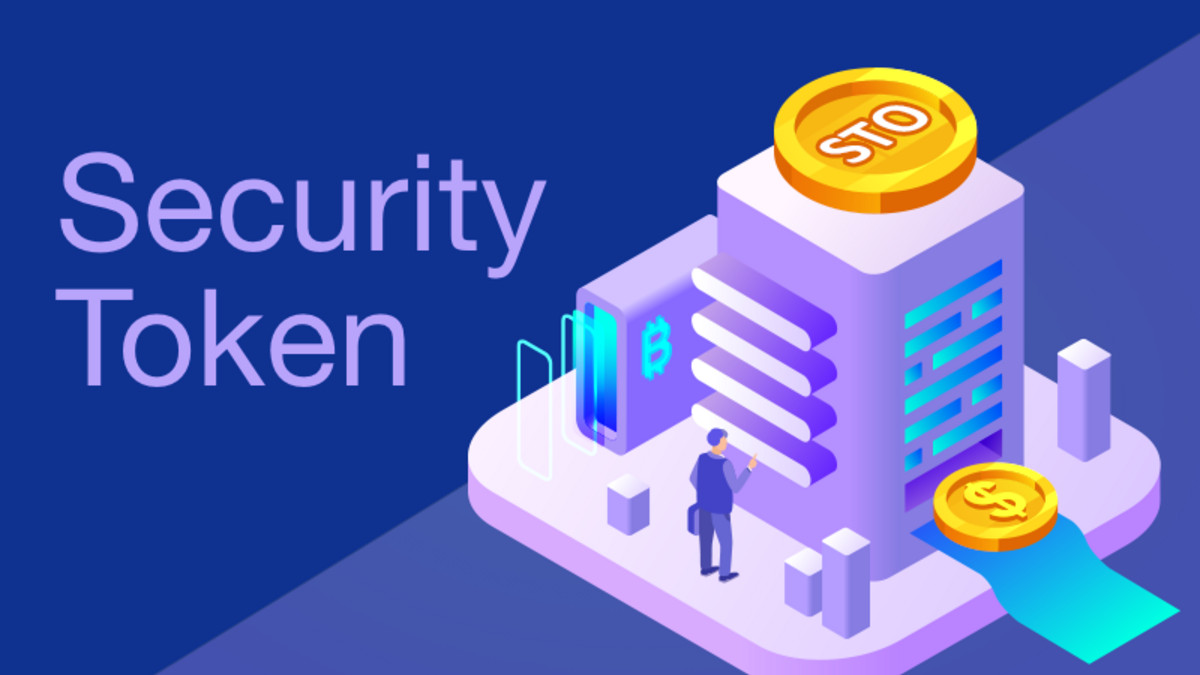
Security token offering describes a real idea: taking the ownership rights that already exist in stocks, bonds, and physical assets, and representing them as tokens on a blockchain instead of as paper certificates or entries in a broker’s database. This distinction – real, legally enforceable ownership versus a speculative digital asset – is what basically separates an STO from most of what people picture when they hear “crypto.”
In this post, I’ll walk you through what an STO is, how it differs from an initial coin offering (ICO), and why the distinction has implications for anyone considering one.
Key Takeaways
- A security token offering (STO) is when a company issues blockchain-based tokens that represent real ownership – equity, debt, or an asset such as property – rather than mere access to a platform or service.
- Since these tokens are legally classified as securities, they are intended to carry investor protections comparable to stocks and bonds, unlike unregulated crypto sales.
- STOs are subject to oversight from financial regulators, which usually requires disclosure, investor verification, and compliance filings before tokens can be sold.
- STOs and ICOs are quite different instruments, and combining the two is where many retail investors usually run into trouble.
What is a Security Token Offering (STO)?
A security token offering is the process by which a company distributes digital tokens, issued on a blockchain, that represent ownership of a real underlying asset – company equity, a debt instrument, or a share in something like real estate.
Mind you, the token itself is not the product; it functions as a digitised ownership certificate.
What separates this from a random token sale is legal classification. The issuing token is treated as a security, which means the issuer is required to file with a regulator, disclose risks, verify investor identity, and comply with applicable securities law – not simply publish a whitepaper and accept payment.
Security Tokens in Crypto represent blockchain-based digital ownership interests in assets such as equity, debt, or real estate.
STO Versus ICO: What’s the Difference?
What is being purchased: An STO comes with a regulated claim – equity, debt, or an asset stake. An ICO usually sells a “utility token,” which grants platform access rather than ownership.
- Regulatory oversight: STOs are structured to operate within securities law. ICOs, particularly during their 2017-2018 peak, largely operated without such oversight – an important factor behind most of the ICO projects that were later found to be fraudulent or simply failed.
- Investor protection: STO investors generally retain legal recourse if an issuer misrepresents material information. ICO investors typically do not.
- Liquidity: ICO tokens could trade immediately on cryptocurrency trading apps. Security tokens are designed to trade only among verified investors on regulated platforms, which is safer but considerably less liquid.
Where a token sale cannot be clearly categorised as one or the other, that ambiguity itself should be concerning for you as an investor.
The Rationale Behind Security Token Offerings
- Fractional ownership: Dividing a high-value asset, such as property, into smaller tradeable units, lowering the capital required for exposure.
- Reduced overhead: Fewer intermediaries, such as transfer agents, can, in principle, lower issuance costs relative to a traditional public offering.
- Faster settlement: Blockchain-based settlement can occur within minutes, compared to the multi-day settlement cycles typical of traditional securities.
- Auditability: Every transfer is recorded on-chain, improving transparency, at least in principle.
None of this eliminates risk. It only changes where that risk sits.
Risks Regarding STOs Worth Understanding
- Regulatory uncertainty: Securities laws governing tokens are still evolving in most jurisdictions, and enforcement approaches can shift.
- Illiquidity: Security tokens trade on thin, restricted markets, so exiting a position is not guaranteed to be straightforward.
- Market immaturity: STOs remain a comparatively new fundraising method, with a limited track record relative to traditional public offerings.
- Loss of capital: As with any securities investment, there is no guarantee of return, and the underlying asset or company can underperform or fail.
The Bottomline
Security tokens are a fine idea on paper – regulated ownership combined with blockchain-based efficiency. But the word “security” in the name is a legal term here, not just branding.
Before considering participation in anything marketed as an STO, investors should verify the issuer’s regulatory filings, understand exactly what asset or right the token represents, and confirm that a genuine secondary market exists for exiting the position – rather than relying on the terminology used to describe it.
FAQs
Is an STO the same as an ICO?
No. An STO represents legal ownership – equity, debt, or an asset – and is intended to comply with securities law. An ICO typically sells a utility token with no ownership claim and, historically, far less regulatory oversight, which contributed to high rates of fraud and project failure.
Are STOs regulated everywhere?
No. STO frameworks vary significantly by jurisdiction, and many markets, including India, do not yet have a dedicated regulatory framework for them. Investors trading crypto assets generally should stick to registered, compliant platforms; Delta Exchange India is one example of a cryptocurrency trading platform operating within India’s existing regulatory requirements. Users interested in crypto markets can also trade BTCUSD, ETHUSD, and tokenized RWAs through suitable trading products and platforms.
What should be verified before investing in anything described as an STO?
Whether the issuer is registered with a securities regulator, what asset or right the token legally represents, and whether a genuine secondary market exists to exit the position – this should not be taken on the strength of a whitepaper alone.

